
Favorite Demolition Service Products for Construction Projects
Choose from industry-leading tools and machinery that support quick, safe, and effective demolition processes.
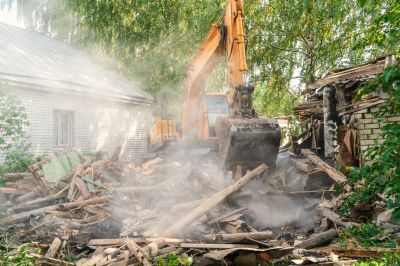 Demolition services in Sumter, SC, require a range of specialized products to ensure safe, efficient, and effective project completion. From heavy-duty machinery to hand tools, the right equipment can significantly impact the success of a demolition operation. Selecting suitable tools depends on the scope of the project, materials involved, and safety considerations. Proper planning and understanding of available products can help contractors and DIY enthusiasts alike achieve their goals while maintaining safety standards.
Top Overall Option
Heavy-Duty Hydraulic Demolition Hammer
A versatile hydraulic demolition hammer can be attached to excavators for breaking concrete, asphalt, and other tough materials. Known for its power and durability, this tool is suitable for both large-scale and more detailed demolition tasks, providing efficiency while maintaining safety standards.
Types of Products For Demolition Service
Hydraulic Excavators with Attachments
Heavy machinery equipped with various attachments for versatile demolition tasks.
Jackhammers and Jackhammer Kits
Handheld pneumatic or electric tools for breaking concrete and masonry.
Sledgehammers and Mallets
Manual tools for targeted demolition work and breaking smaller materials.
Rotary Hammers
Power tools suitable for drilling and chipping into hard surfaces.
Demolition Saw Blades
Specialized blades for cutting through concrete, metal, and other tough materials.
Concrete Crushers and Pulverizers
Attachments designed to crush and pulverize concrete debris on-site.
Dust Suppression Systems
Equipment to minimize dust during demolition activities.
Safety Gear and Personal Protective Equipment
Helmets, gloves, masks, and eye protection essential for safe operations.
Barriers and Warning Signs
Products to secure the site and alert passersby.
Debris Containers and Roll-Off Bins
For efficient debris collection and removal.
Hydraulic Breakers and Hammers
Powerful attachments for breaking hard materials.
Scaffolding and Support Structures
Equipment to provide safe access and structural support.
Vibratory Plate Compactors
Tools for compacting soil or debris after demolition.
Water Delivery Systems
For dust suppression and cooling during cutting or breaking.
Portable Lighting Equipment
Illumination for working safely in low-light conditions.
Wrecking Balls
Traditional tools for large structural demolitions.
Hydraulic Power Packs
Portable power sources for hydraulic tools on-site.
Popular Choices
Lightweight and easy to handle for smaller demolition tasks.
Commonly used with excavators for breaking concrete and asphalt.
Traditional manual tools for targeted demolition work.
Portable saws for precise cuts in concrete and masonry.
Devices to reduce dust during cutting and breaking.
Essential protective gear for head safety.
Protect hands during manual demolition activities.
Protective masks to prevent inhalation of dust and debris.
Footwear designed for safety and durability on demolition sites.
Physical barriers to secure the demolition area.
Convenient for debris collection and disposal.
Helpful for compacting soil or debris after demolition.
Ensures visibility during work in low-light conditions.
Portable sources to operate hydraulic tools.
Traditional tools for large structural demolitions.
Versatile tools for drilling and chipping into tough surfaces.
Compact machinery with various attachments for demolition tasks.
Assist in dust control during demolition.
Heavy machinery such as excavators, bulldozers, and skid steers form the backbone of large-scale demolition projects. These machines are equipped with various attachments like hydraulic breakers and grapples, allowing for versatile operations. For smaller or more precise demolitions, handheld power tools such as jackhammers, sledgehammers, and rotary hammers are essential. These tools enable targeted removal of materials like concrete, brick, and wood.
Safety equipment also plays a vital role in demolition projects. Personal protective gear including helmets, gloves, eye protection, and respiratory masks help mitigate risks associated with falling debris, dust, and loud noises. Additionally, site preparation products such as barriers, warning signs, and dust suppression systems contribute to maintaining a safe work environment. Having a comprehensive set of reliable products tailored to the project's needs can streamline the demolition process and promote safety.
Whether undertaking a residential teardown or a commercial demolition, the right assortment of tools and equipment can make a significant difference. Ensuring compatibility with the project scope, adhering to safety standards, and selecting durable, high-quality products are key to successful demolition endeavors in Sumter, SC.
Key Buying Considerations
- Project scope and size to determine the appropriate equipment and machinery.
- Material types involved, such as concrete, brick, or metal, to select compatible tools.
- Power source preferences, including electric, pneumatic, or hydraulic options.
- Safety features and certifications to ensure compliance with local regulations.
- Durability and build quality for long-term use in demanding environments.
- Ease of handling and maneuverability, especially for manual tools.
- Availability of attachments and accessories for versatility.
- Site conditions, including space constraints and access limitations.
- Budget considerations without compromising essential safety and quality.
- Compatibility with existing equipment or machinery on-site.
- Maintenance and support services available from suppliers.
- Dust and debris management features to maintain a safe work environment.
- Weight and portability for ease of transport and setup.
- Noise levels and vibration to minimize disturbance and operator fatigue.
- Training and user manuals for proper operation and safety.